
Journal · Cover-ups
What to know before you cover up an old tattoo
By Natalia · November 19, 2026 · 4 min read
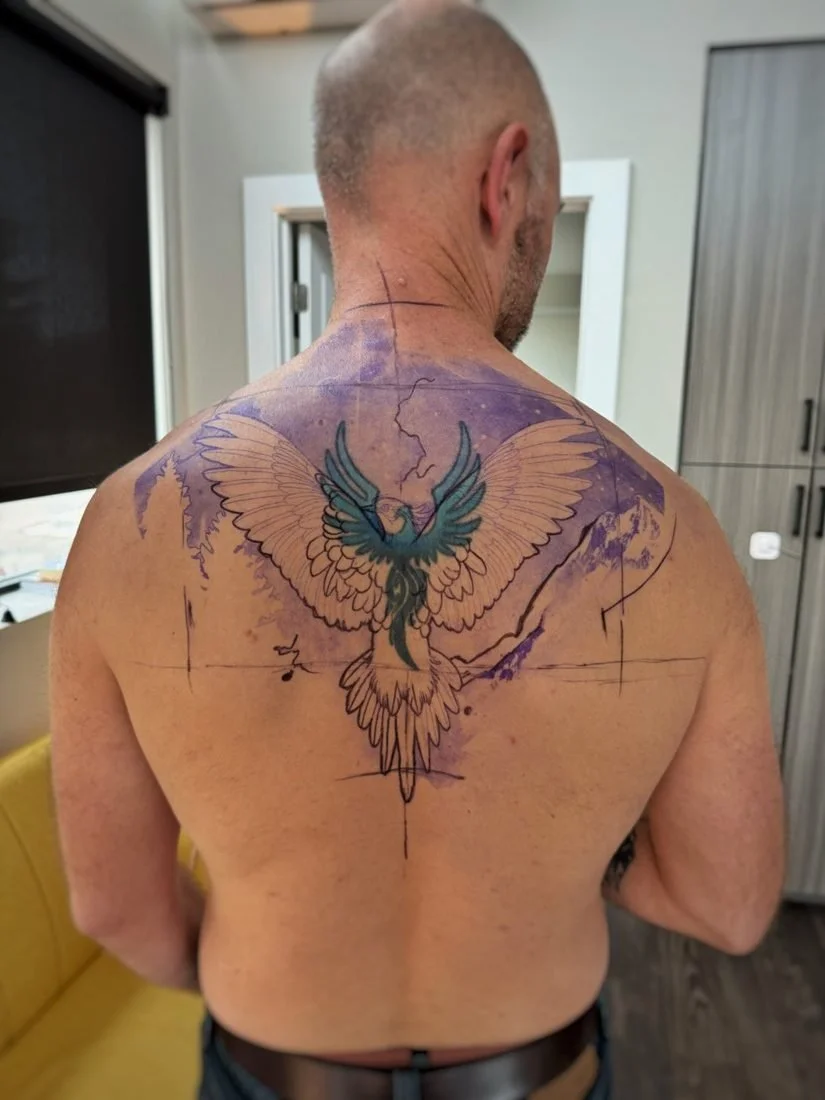
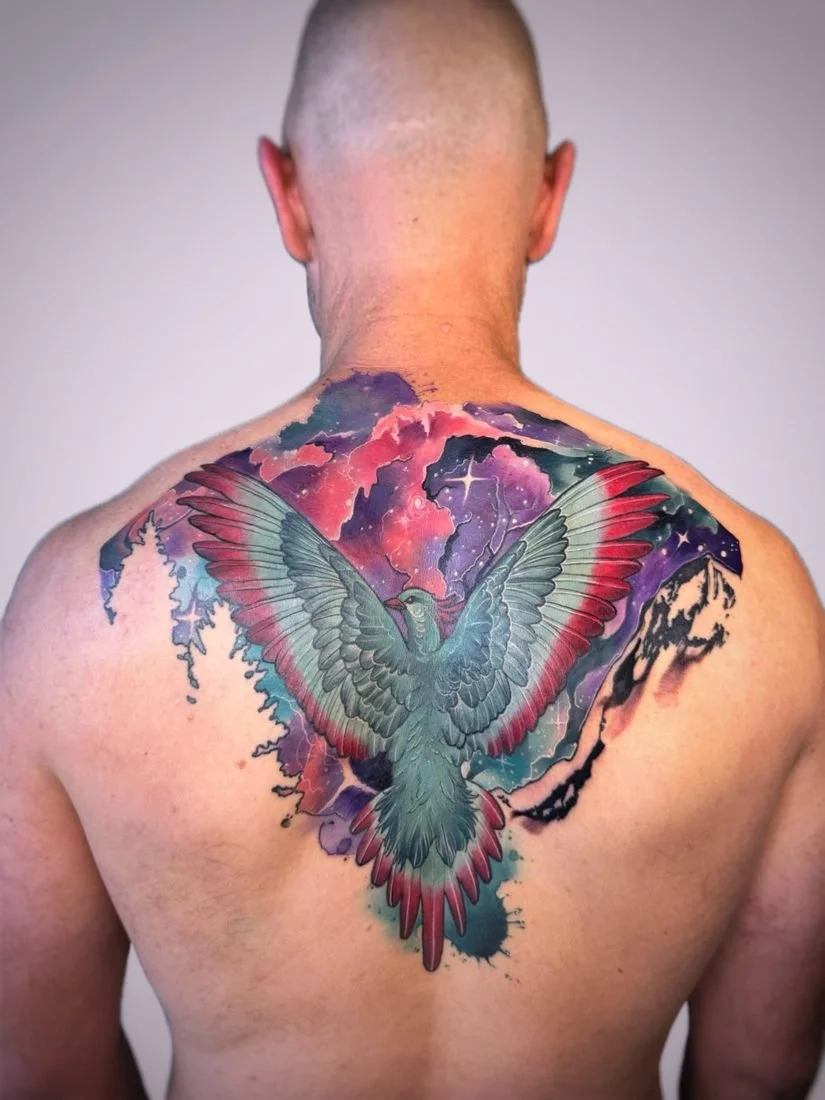
Most people who come to us for a cover-up have lived with the old tattoo for years. A name, a faded piece of flash, linework that blurred while it healed, or work that was simply done poorly or too heavy in black. The good news: almost any tattoo can be covered or reworked. It just takes a different kind of planning than a fresh piece.
Cover-up or rework?
A cover-up hides the old tattoo completely under a new design. A rework keeps some of what is there and builds on it: fixing lines, adding shading and color, turning a small piece into part of something bigger. At the consultation we will tell you honestly which one your tattoo needs.
Why a cover-up is usually bigger
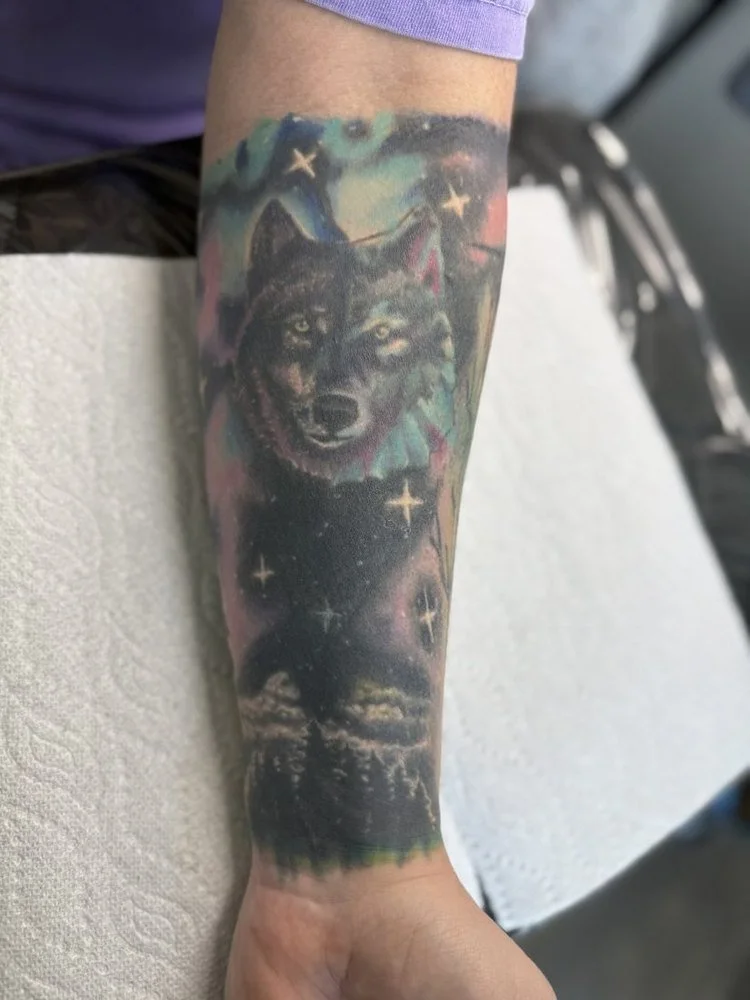
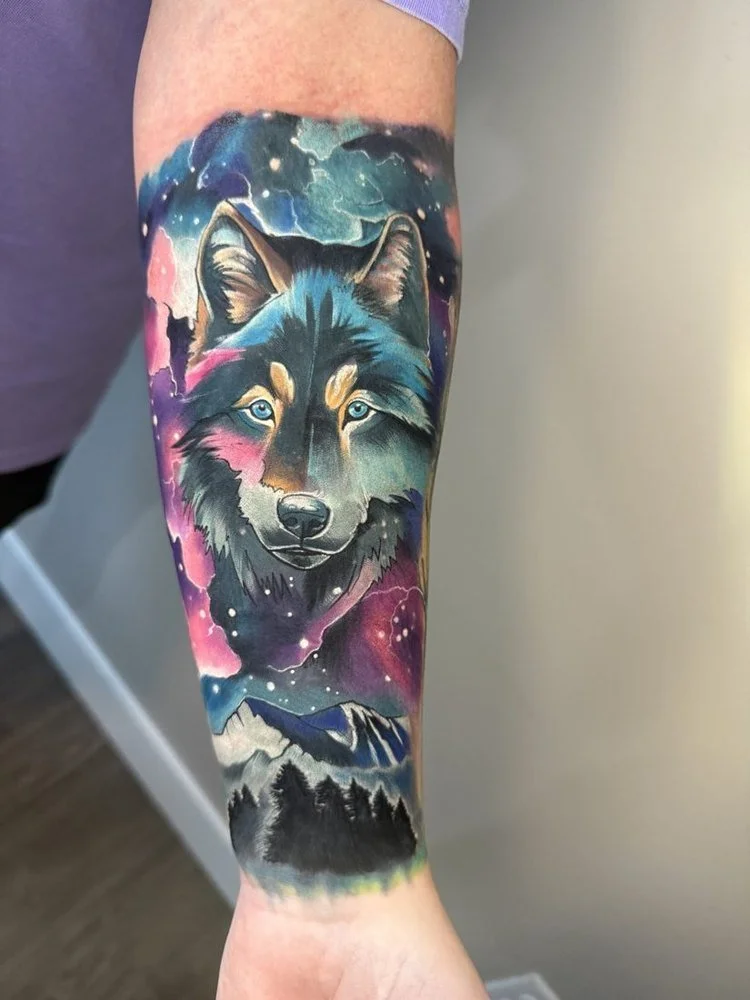
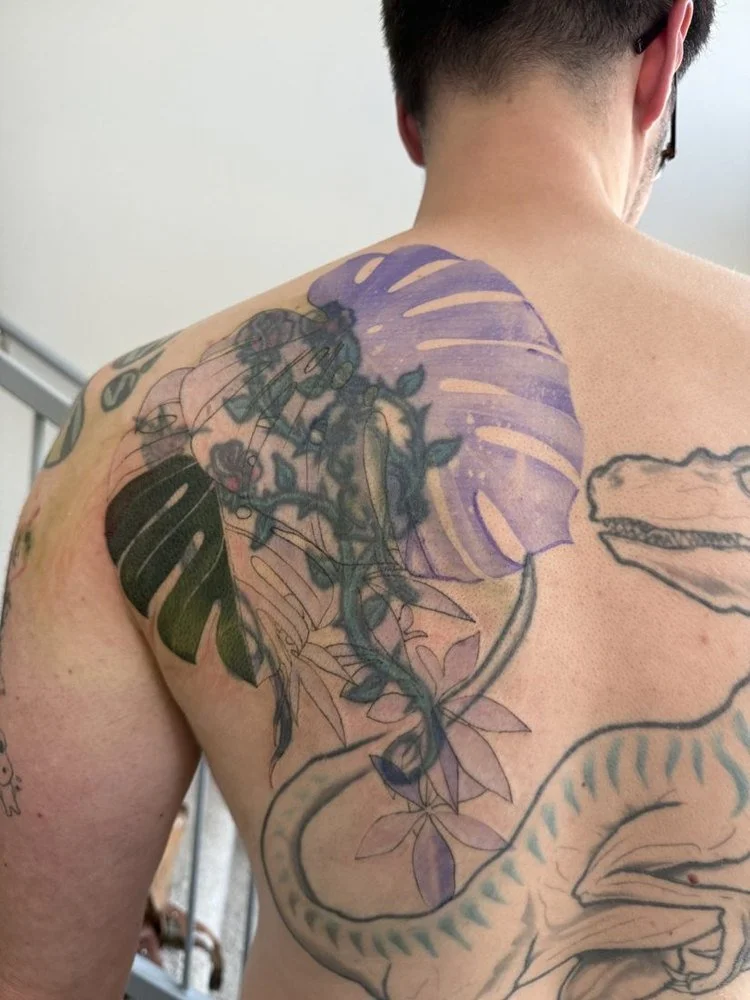
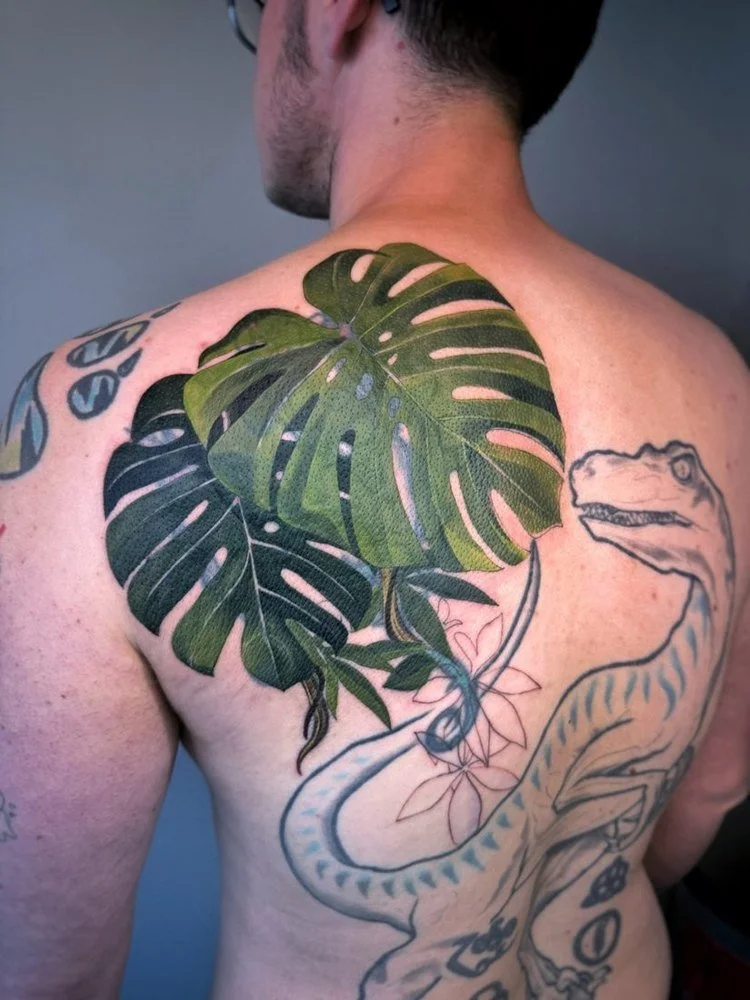
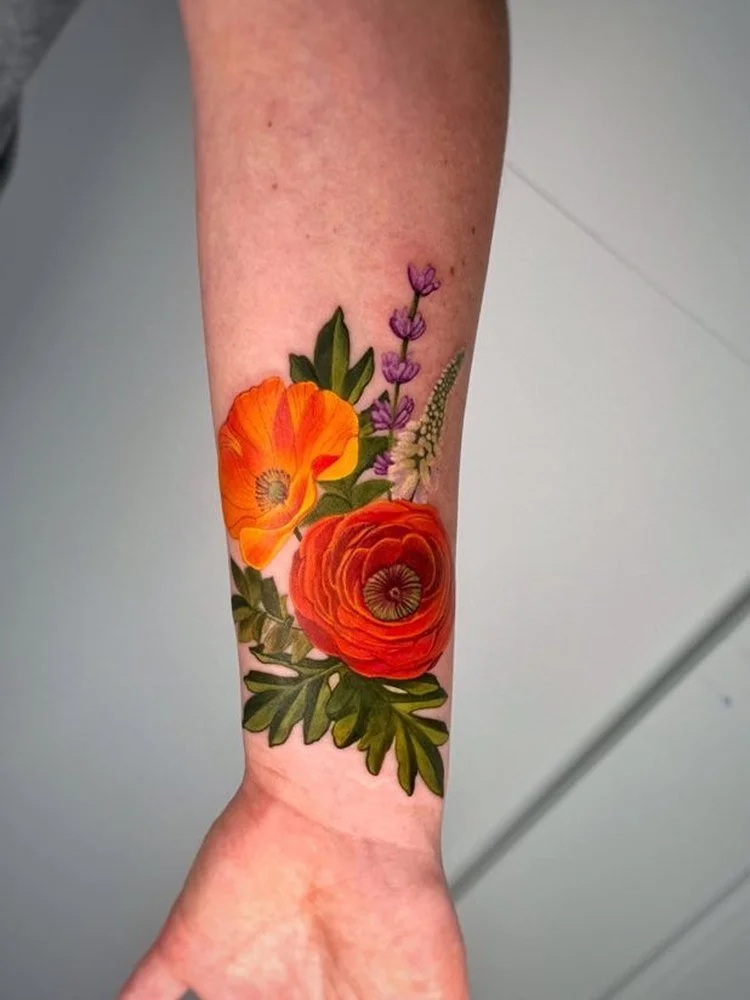
New ink does not erase old ink, and it does not sit on top like a fresh coat of oil paint. To hide a dark shape, the new design needs darker areas, dense texture or strong color right where the old lines run. That is why a cover-up is almost always bigger than the original, so the old work can get lost inside the new design. Expect to go bigger, depending on how dark and dense the old tattoo is, and sometimes to fix a size that did not work in the first place.
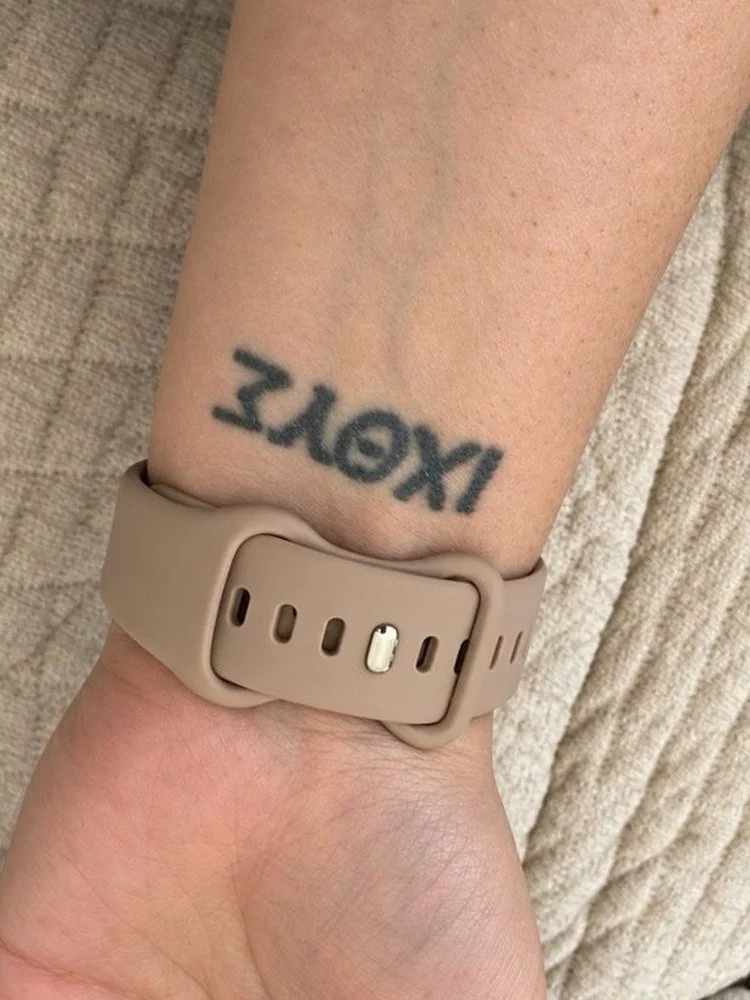
In fact, a common problem is linework that has blurred because a detailed design was made too small. We are often nervous about getting tattooed and ask for it to be as small as possible. But more on that another time.
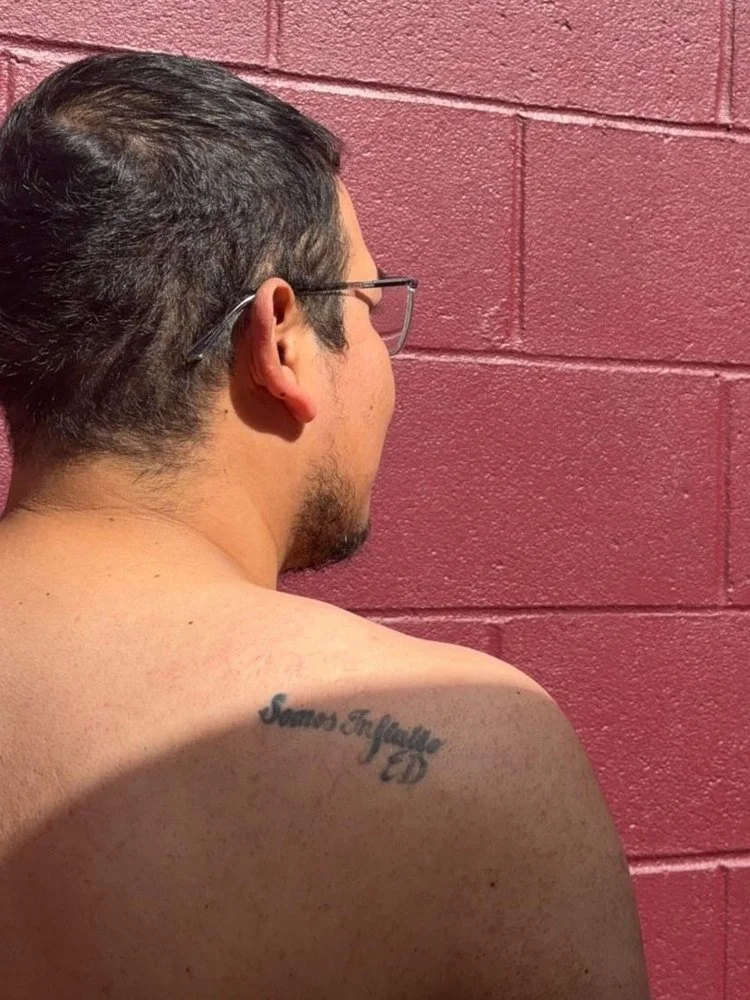
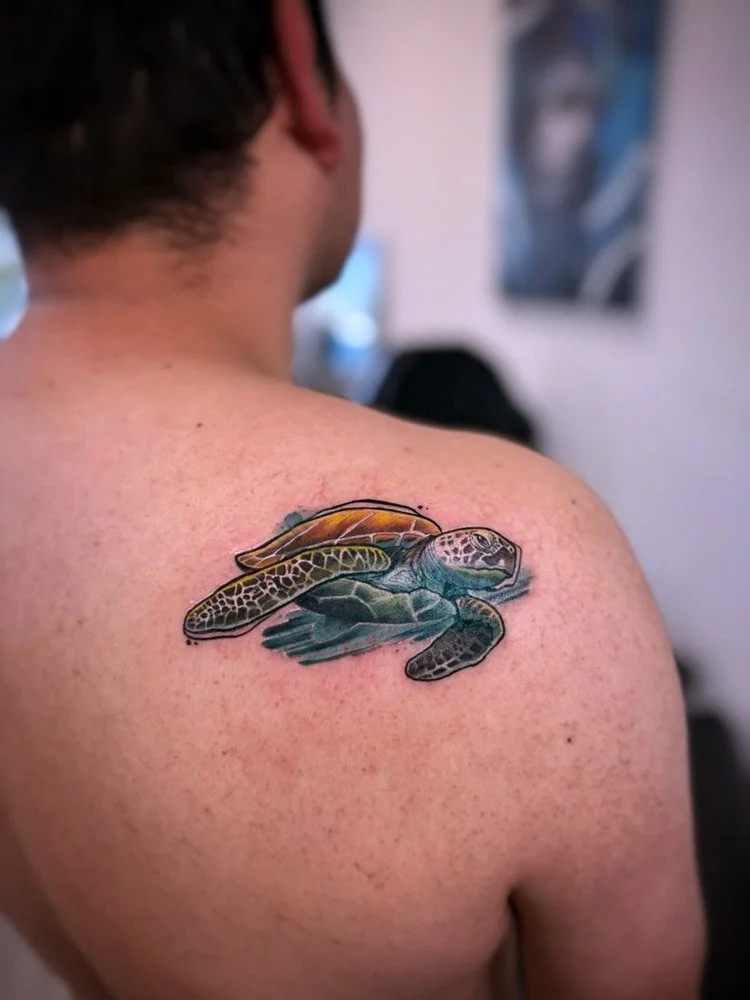
Why color helps
Color and layered texture break up the old shapes so the eye stops finding them. Of course, not every color works for a cover-up: white and skin tones only add contrast, mostly along the linework. We start every cover-up with the old tattoo: we look at where it sits and build the composition to swallow it.
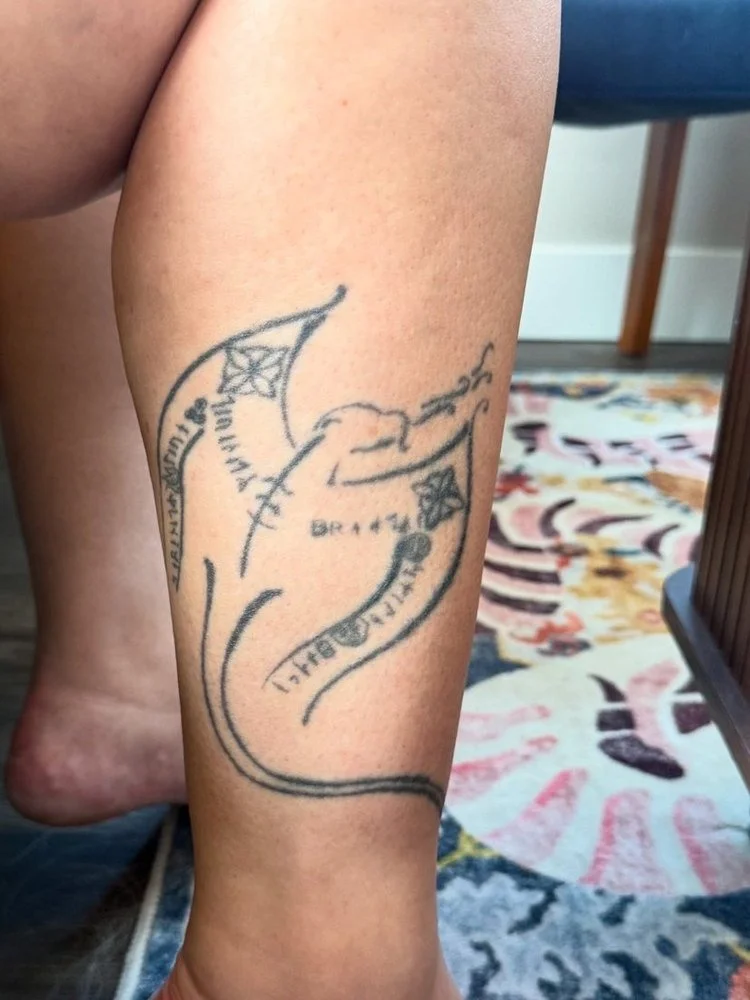
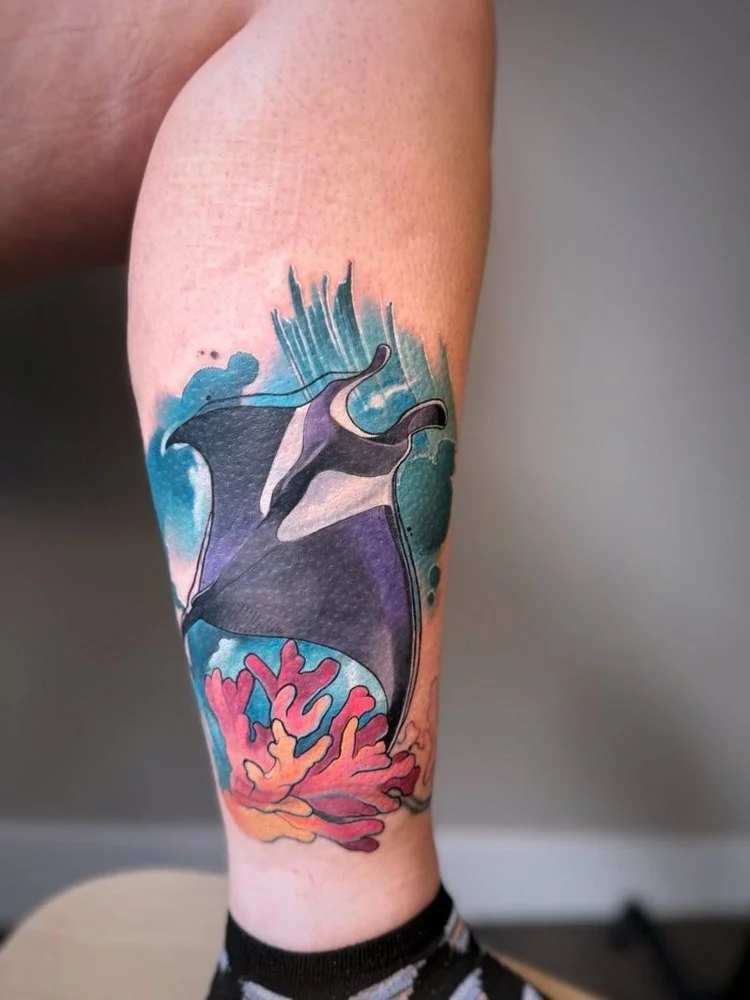
When laser comes first
Very dark, dense or raised tattoos sometimes need a few laser sessions to lighten them first. Laser can also lighten old color so new color can go in. It does not remove the tattoo completely; it fades it, which gives the new design more freedom. If your tattoo needs this, we will tell you at the consultation and suggest how many sessions to plan for. In reality, only a few people end up going for laser.
How many sessions
It all depends on the size and the skin. Some tattoos are easy to cover and take just one session. Others need time: the skin has to heal, the pigment has to settle and show through, and then you come back for a final session to finish the details. Remember that this is careful, painstaking work, and it always takes about twice as long.
What to bring to your consultation
Think about what you would like to get. Look at work you like, its style and details. Do not hunt for one specific tattoo, just collect what makes you happy to look at. Try to step away from the tattoo you already have: it makes it easier to see what you actually want, and I will help turn it into something real.